ServicesChlorine & Chloramine Removal
Chlorine & Chloramine Removal in Safety Harbor
We install whole-home carbon systems that take the disinfectant smell and taste out of your water before it reaches a faucet or showerhead. The carbon is matched to the disinfectant your utility uses and sized to your home's flow, so the water stays treated even with two showers running.
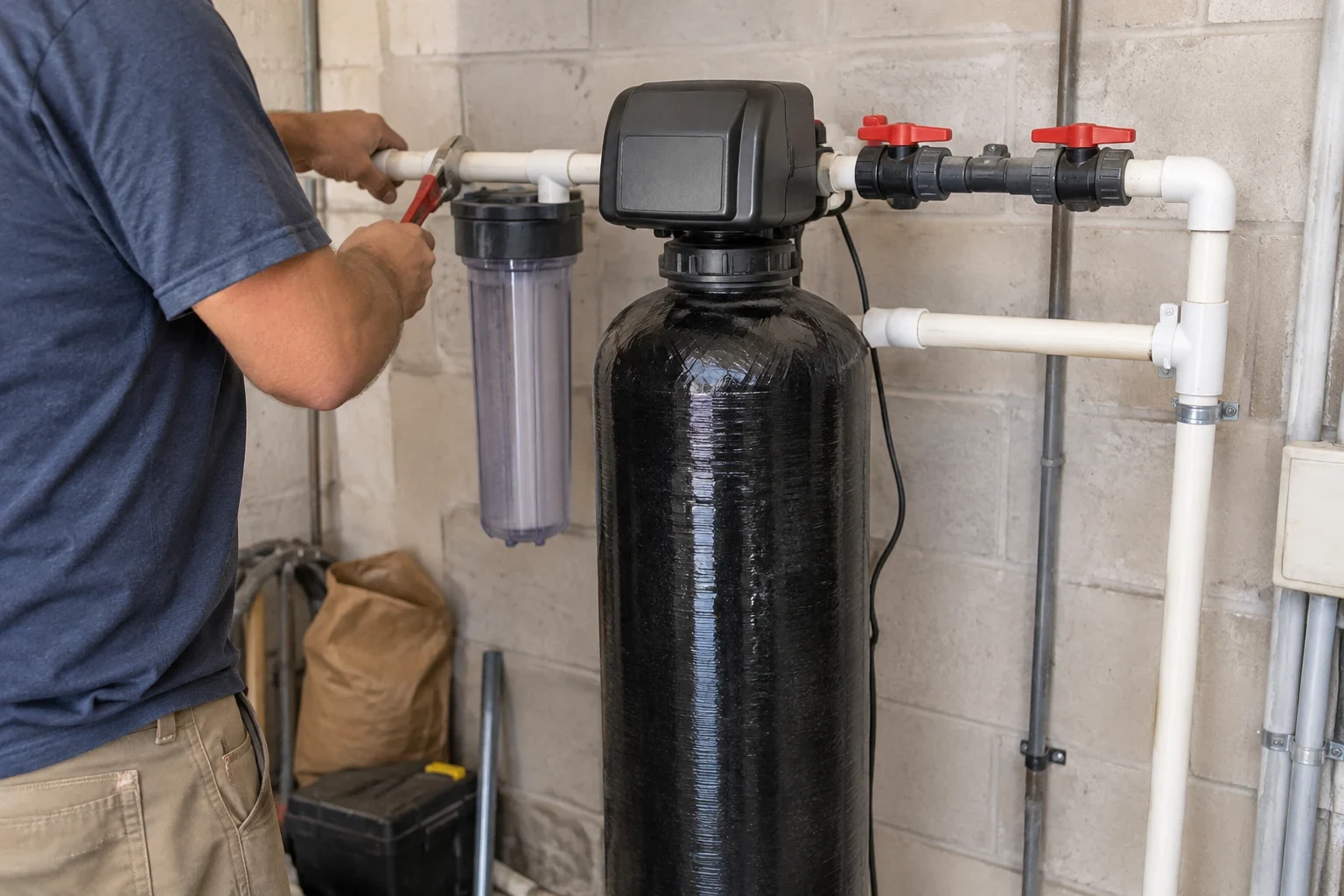
Why chloramine needs a different filter than chlorine
Utilities add a disinfectant so water stays safe on its trip through miles of main. Some use plain chlorine. Many Florida systems use chloramine, a compound formed when chlorine is combined with ammonia. It stays active longer in the distribution pipes, and that same staying power is why it holds up against an ordinary filter.
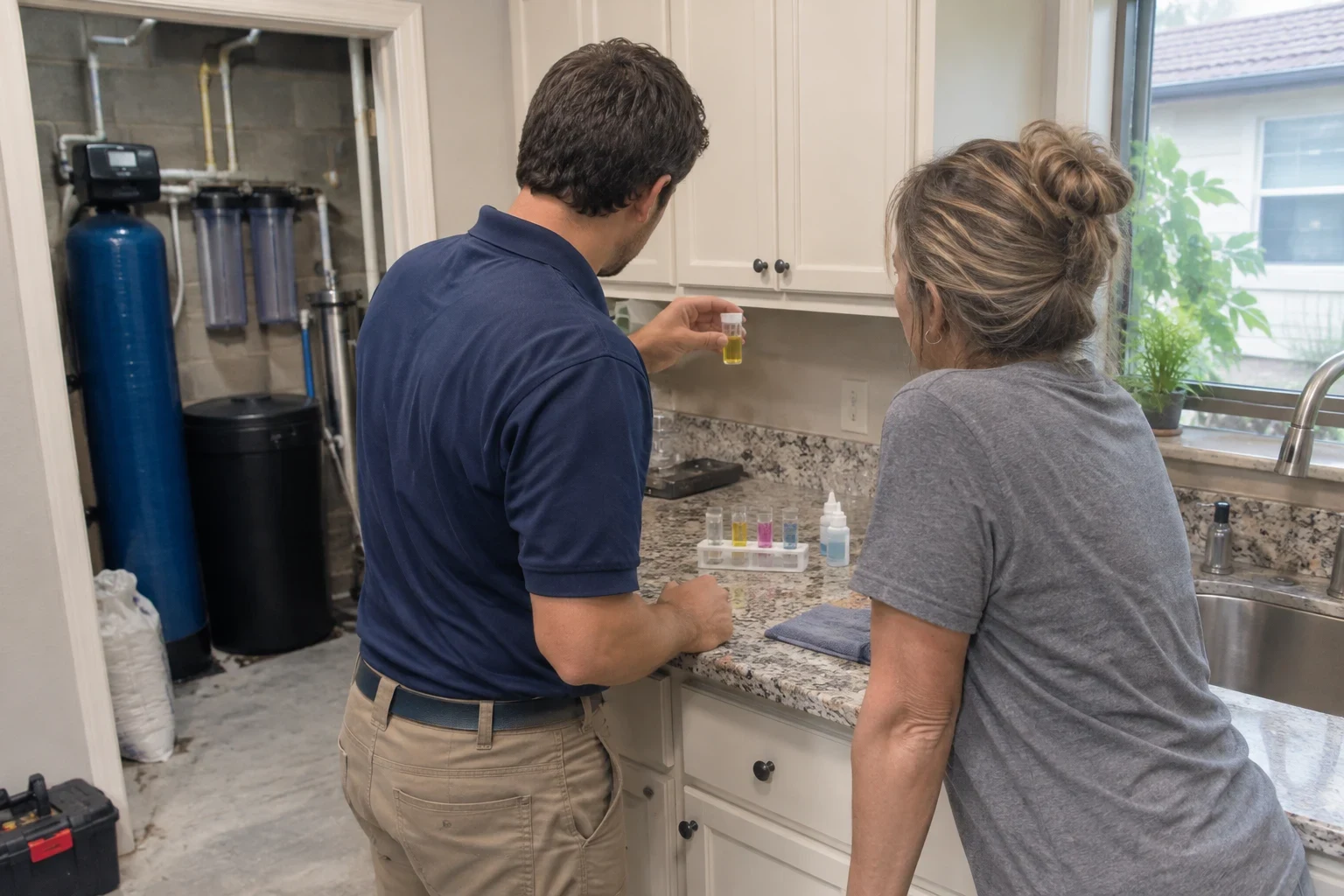
Standard granular activated carbon knocks out plain chlorine within seconds of contact. Chloramine reacts much more slowly, so a basic carbon tank or a fridge cartridge lets a good share of it through. Catalytic carbon has a treated surface that splits the chlorine from the ammonia, and it still needs enough bed depth and contact time to do the work. Before we recommend a system, we read your utility's published water quality report to confirm which disinfectant reaches your home.
You deal with one person throughout. The same contact who answers your first questions sizes the system, schedules the install and checks that the work area is clean when the crew leaves, so details do not get lost between estimate and cleanup.
What goes into a chloramine removal setup
- Catalytic carbon media
- When the supply carries chloramine, the tank gets filled with catalytic carbon instead of standard granular carbon. It handles chloramine and plain chlorine alike, so treatment keeps working when the utility temporarily switches disinfectants during its periodic system flush.
- A vessel matched to your flow
- Tank size comes from your bathroom count and peak gallons per minute. Push too much water through a small tank and contact time drops, which is exactly when chloramine gets past the media.
- Sediment prefilter
- A cartridge housing mounted before the carbon tank catches sand, grit and bits of mineral buildup shed by older pipes. With that material held back, the carbon granules stay open to water flow and the bed can treat the full volume it was rated for.
- Three-valve bypass and shutoffs
- The bypass lets you or a plumber route water around the system while the rest of the house keeps running. It also shortens the work when the media is due for replacement.
- Correct order with a softener
- If your home has a softener, the carbon sits upstream of it. Chlorine and chloramine oxidize softener resin over the years, swelling the beads and cutting their capacity, so stripping the disinfectant first extends the softener's life.
Signs your water needs chlorine or chloramine removal
Pool smell at the tap
A sharp chemical odor from a running shower or a freshly poured glass is the disinfectant itself. It is strongest with hot water because heat pushes it into the air.
Coffee and tea taste flat or off
Chlorine compounds react with the oils and aromatics in coffee and tea. Many people notice a cleaner taste in the first cup brewed after carbon goes in.
Flappers and seals failing sooner
Over time chloramine attacks certain rubber compounds. If toilet flappers, fill valve gaskets or faucet washers turn soft, swell or crack well before their age, the disinfectant may be part of the cause.
Dry skin after showers
Some people find chlorinated shower water leaves skin and hair feeling stripped. A whole-home carbon system treats the shower supply along with every other line.
Your softener is losing capacity
Mushy or broken resin and shorter stretches between regenerations can point to chlorine damage. If you see that, our Water Softener Repair & Maintenance page covers the next step.
Your countertop filter is not keeping up
When the chemical taste comes back a few weeks after a new pitcher or fridge cartridge, the filter likely holds too little carbon for chloramine.
What moves the cost of chloramine removal
The price comes down to how much carbon your home needs and how much plumbing work it takes to put it in. We explain each piece on the phone and give you a written line-item estimate, so you can see what you are paying for before any work starts.
Chlorine or chloramine
Catalytic carbon costs more than standard carbon, and chloramine needs more of it for the same flow.
Household flow rate
More bathrooms and higher peak demand call for a larger tank with more media to keep contact time where it should be.
Main line access
An easy garage connection takes less time than rerouting an exterior line or working around tight spaces. Pipe material and diameter also affect fittings.
Pairing with other equipment
Adding carbon ahead of an existing softener, or replacing an old tank at the same time, changes the parts list and labor.
How the job runs, from phone call to cleanup
- 1
The first conversation
You speak with the person who will coordinate your job start to finish. We cover what you notice at the tap, how many people and bathrooms are in the house, and whether a softener or other equipment is already installed.
- 2
Looking at your plumbing
We locate where the main line enters your home, often by an outdoor hose bib or in the garage on slab construction. Pipe size and material get noted so fittings and tank placement are decided before install day.
- 3
Installing the system
With the house supply closed, the installer adds a bypass loop to the main line and mounts the prefilter and carbon vessel. Fresh carbon sheds fine black dust, so the bed is backwashed to a drain until the water comes out clear, and only then is it opened to your fixtures.
- 4
Leak checks and cleanup
Once the line is repressurized, every joint gets inspected and each fixture is run to purge trapped air. The work area is swept and wiped down, and before we leave we walk you through turning the bypass valves and swapping a prefilter cartridge yourself.
Chlorine and chloramine removal questions
Will a fridge or pitcher filter remove chloramine?
Usually not well. Those cartridges hold only a few ounces of carbon, and water moves through them in seconds. That is enough to cut plain chlorine but too fast to break down chloramine. They also treat only drinking water, so showers, laundry and the dishwasher still get the disinfectant.
Will a whole-home carbon tank lower my water pressure?
A tank sized to your flow causes very little pressure drop. When people do notice weaker pressure, the usual culprits are a vessel too small for the house or a prefilter cartridge packed with grit that should have been swapped out. Our tank sizing starts from your bathroom count and peak demand, and the prefilter housing opens by hand so a fresh cartridge goes in within a few minutes.
Is it a problem to remove the disinfectant at the main line?
In normal daily use, water passes through your home's pipes quickly, so treating at the main is standard practice. If the house sits empty for weeks, as many seasonal homes do, run each tap for a minute or two when you get back to clear the standing water.
How long does the carbon last?
That depends on the gallons your household uses and the disinfectant level in the supply. A larger bed with more media goes longer between changes. Before install, we tell you what interval to expect for your tank size and usage.
Should I add reverse osmosis too?
Carbon takes care of taste and odor at every fixture. If you also want an extra stage for drinking and cooking water, an under-sink system from our Reverse Osmosis page fits downstream of the carbon and lasts longer because the chlorine is already gone.
Who handles filter and media changes later?
We do, and you reach the same contact you worked with on the install. Ongoing customer support for maintenance, filter replacements, and service needs is part of what we offer, so you are not left tracking down the right cartridge or media on your own.
Ready to lose the pool smell?
Tell us how many bathrooms you have and what you are noticing at the tap. We will explain whether you need standard or catalytic carbon and what size tank fits your home.